
How to Keep Your House Plants Needing Low Light From Meeting the Reaper
Understanding House Plants Needing Low Light
When we talk about house plants needing low light, we aren’t suggesting they can live in a sealed box. In indoor gardening as of April 2026, “low light” is a technical term. It generally refers to conditions where a plant is situated far from a window or in a room with a north-facing window that never receives direct beams of sun.
Scientifically, many of these species are “day-neutral” plants. This means they don’t require specific day lengths to trigger flowering or growth cycles; instead, they can survive on a steady 8 to 12 hours of ambient light. In their native habitats, these plants are the “understory” dwellers of tropical rainforests. They live on the floor where the giant mahogany and teak trees block out 95% of the sun. Because they’ve evolved to be energy-efficient, they don’t “burn through” fuel quickly, making them the ultimate low-maintenance roommates.
To help you visualize what your home offers, consider this comparison:
| Light Level | Description | Best Placement |
|---|---|---|
| Low Light | Enough light to read a book, but no visible sky from the plant’s spot. | Corners, hallways, or 10+ feet from a window. |
| Medium Light | Soft shadows; the “Goldilocks” zone of bright indirect light. | Near east-facing windows or shaded west windows. |
| Bright Light | Strong, direct sun that can feel hot on the skin. | South-facing windows or unshaded west windows. |
Why Low-Light Plants Are Indoor Essentials
For those of us living in apartment complexes or working in office cubicles, house plants needing low light are more than just decor—they are essentials. They are remarkably beginner-friendly because their slow metabolism means they don’t demand constant attention.
Beyond aesthetics, these plants are champions of resilience. They handle the fluctuating temperatures of modern life and provide a sense of well-being in spaces that might otherwise feel cold or sterile. While you would need a literal jungle of them to replace a high-tech air purifier, having green foliage nearby is proven to lower stress levels during those long 2026 remote work sessions.
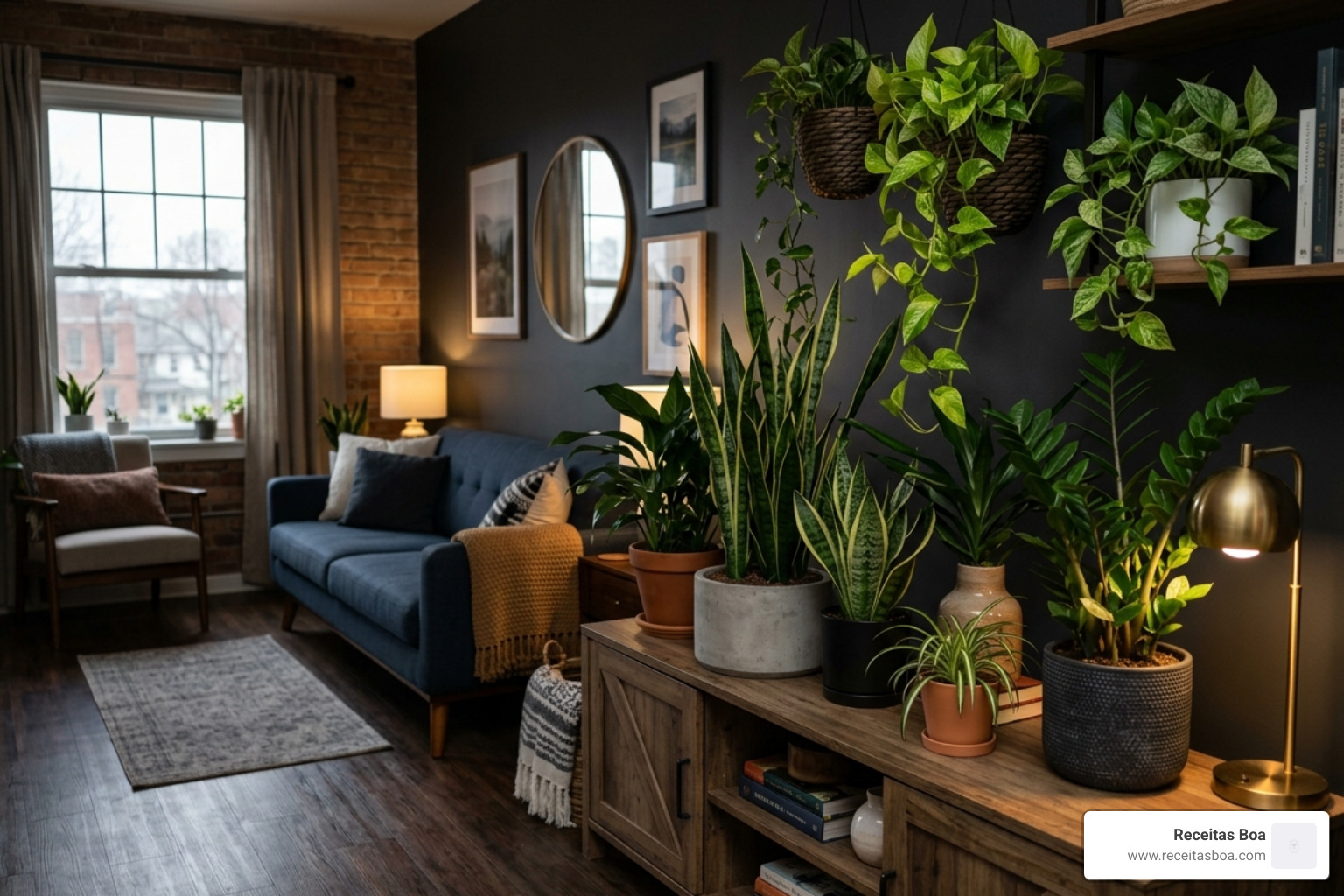
The Best House Plants Needing Low Light to Brighten Your Space
Choosing the right variety is half the battle. If you pick a sun-loving desert cactus for a windowless bathroom, you’re setting yourself up for heartbreak. Instead, look toward these proven survivors.
Snake Plants: The Architectural Survivors
The Dracaena trifasciata (formerly Sansevieria) is the undisputed king of the “set it and forget it” world. Known for its vertical, sword-like leaves, the snake plant is a slow grower, often gaining only a few inches per year. However, what it lacks in speed, it makes up for in longevity. With proper care, these plants can live for over 20 years, with an average lifespan of five to ten years even for the most forgetful owners.
We love them for their dramatic, sculptural effect. Their leaves often feature snakeskin-like mottling or yellow “Variegata” borders that look more like a piece of modern art than a living organism. They are incredibly drought-tolerant thanks to their thick, succulent leaves that store water for weeks at a time.
Pothos: The Fast-Growing Devil’s Ivy
If you want quick results, the Pothos is your best friend. This plant is a fast-grower, often adding 12 to 18 inches of length in a single month during the growing season. It’s earned the nickname “Devil’s Ivy” because it is notoriously difficult to kill and stays green even when tucked into a dark corner.
Whether you let it trail from a high shelf or train it to climb a moss pole, it adds a lush, jungle vibe to any room. For more details on keeping this vine happy, check out this Pothos: Plant Care & Growing Guide.
ZZ Plant: The “No-Snoozer” Choice
The Zamioculcas zamiifolia, or ZZ plant, is definitely no snoozer. It features waxy, deep green leaves that reflect what little light is available, making the plant look like it’s glowing. Reaching 2 to 4 feet in height and width, it’s a substantial presence for floor planters.
The secret to the ZZ’s success is beneath the soil. It grows from bulbous rhizomes (which look like small potatoes) that store massive amounts of water. This makes it ideal for frequent travelers or anyone who forgets their watering can for three weeks straight.
Essential Care Tips for Your Low-Light Greenery
The “Reaper” usually visits low-light plants for one reason: over-care. Because these plants grow slowly, they don’t need as much “stuff” as a tomato plant or a rose bush.
- Soil Drainage: Always use a well-draining potting mix. For snake plants and ZZs, a cactus or succulent mix is best.
- Temperature: Most low-light plants prefer temperatures between 65°F and 75°F. If you are comfortable, they are likely comfortable. Avoid placing them directly in front of an AC vent or a drafty door.
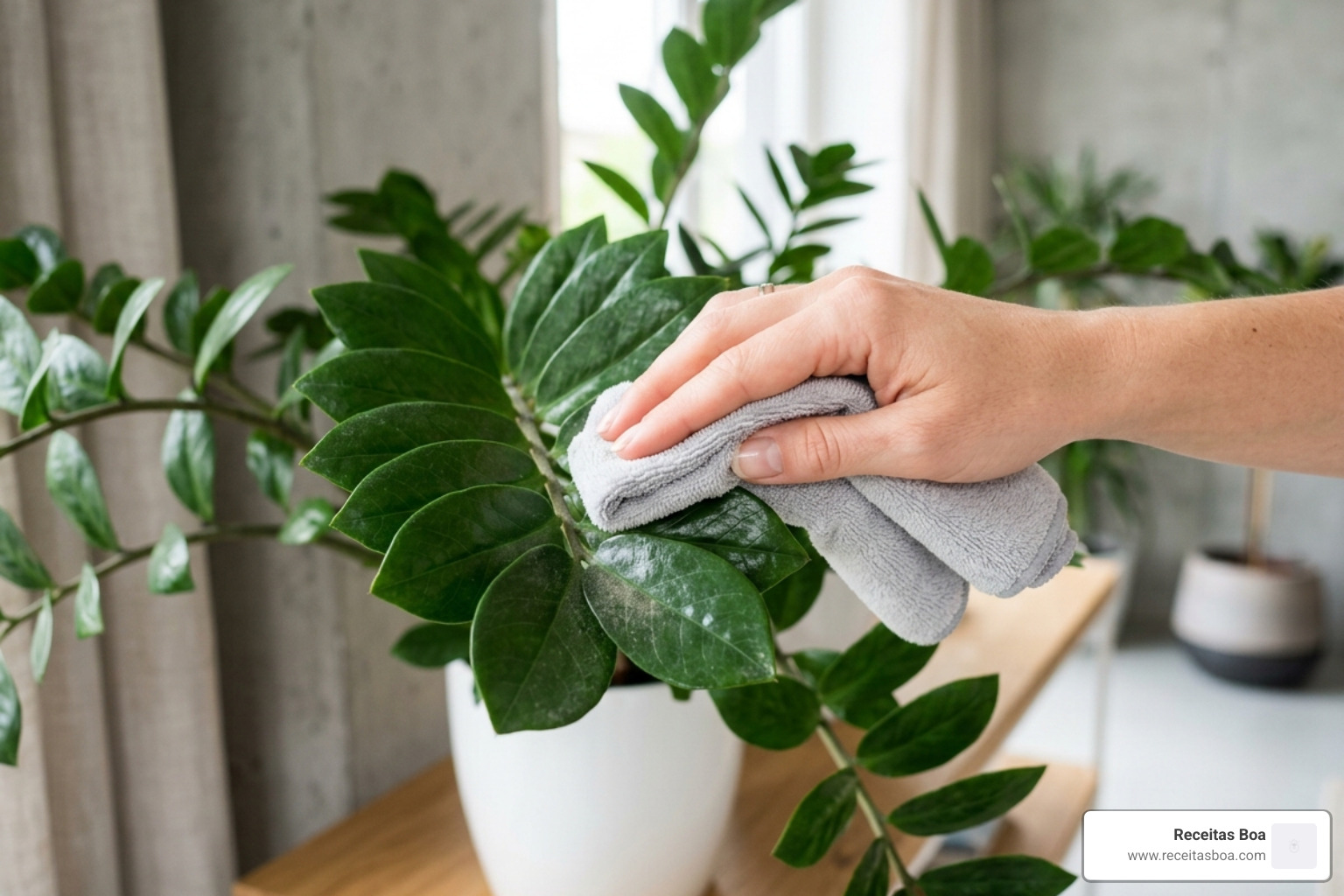
- Dusting: This is a “pro tip” we always emphasize at Receitas Boa. In low light, every photon of energy counts. Dust acts like a curtain, blocking light from reaching the leaves.
Mastering Watering for House Plants Needing Low Light
The quickest way to kill house plants needing low light is by overwatering. In a dark room, water evaporates much slower than in a sunny one.
- The Top Inch Rule: Never water on a schedule (like “every Monday”). Instead, stick your finger into the soil. If the top two inches are still damp, wait.
- Drainage is Non-Negotiable: Ensure your decorative pot has a drainage hole, or keep the plant in its plastic nursery liner inside the decorative pot.
- Winter Dormancy: During the winter months of 2026, your plants will barely grow. You might only need to water your ZZ or Snake plant once a month.
Placement Strategies for House Plants Needing Low Light
Maximize the light you do have.
- The Radiator Trick: While some plants hate heat, the “Radiator Plant” (Peperomia) can handle being near a heat source if you provide a pebble tray with water to boost humidity.
- Rotation: Every time you water, give your plant a quarter-turn. This prevents it from becoming “leggy” or leaning too far toward the light source.
- Artificial Help: If you have a truly windowless room, modern LED grow lights are a game-changer. They provide the blue spectrum for growth and the red spectrum for health without the high electricity bills of the past.
Troubleshooting Common Low-Light Plant Problems
Even the toughest plants run into trouble. The key is to act as soon as you see a change.
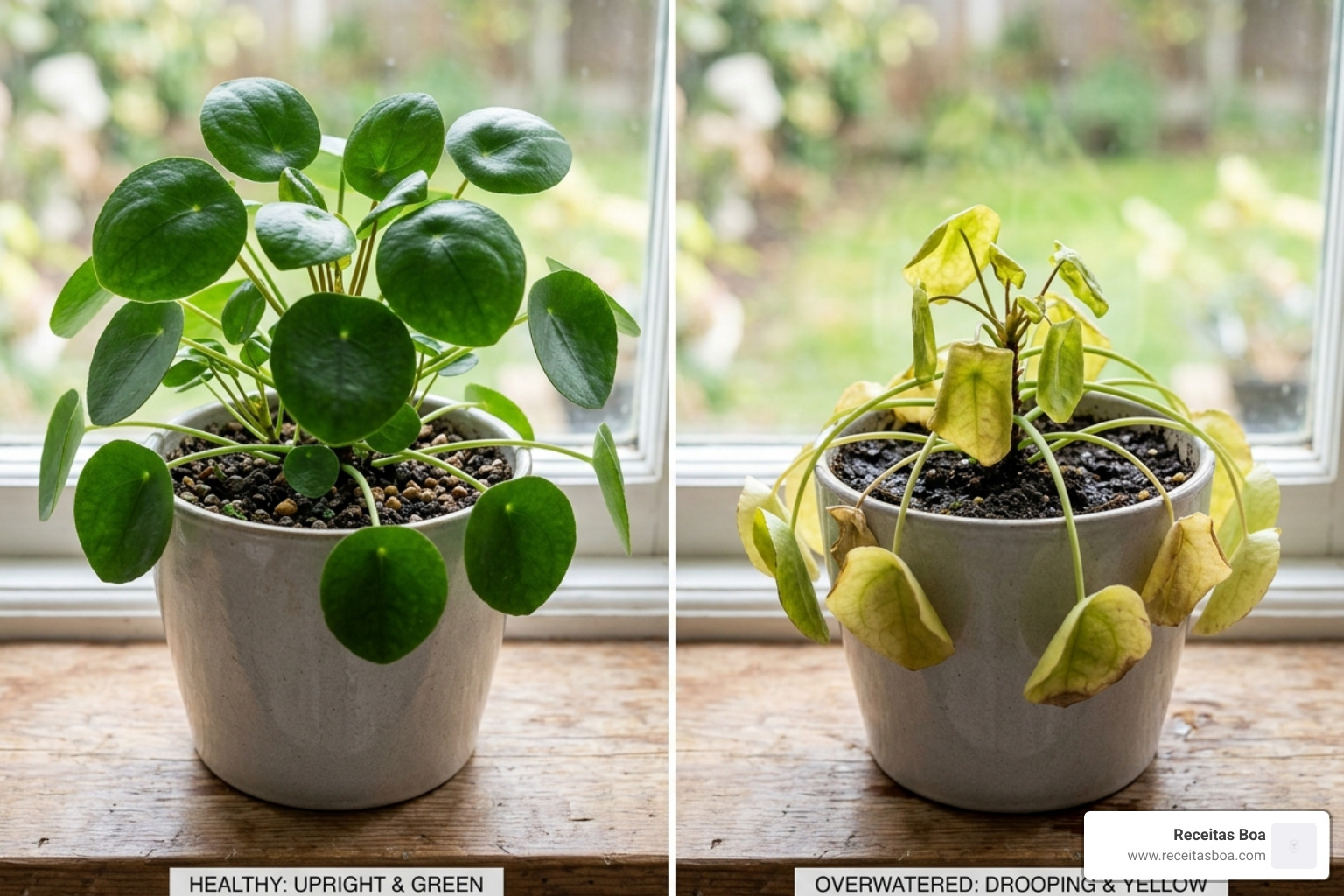
- Yellow Leaves: This is usually a cry for help regarding water. If the leaf is mushy and yellow, you’re overwatering. If it’s brittle and yellow, it might be too dry.
- Leggy Stems: If your Pothos has six inches of bare vine between each leaf, it’s “reaching” for light. Move it closer to a window or add a small LED lamp.
- Pests: Keep an eye out for mealybugs (which look like tiny bits of white cotton) and spider mites (which leave fine webs). A quick wipe with neem oil or insecticidal soap usually clears them up.
Identifying Signs of Thirst and Overwatering
Your plant talks to you through its foliage.
- Thirst: Leaves will look wrinkled, curled, or “deflated.” Pothos will visibly droop, serving as a natural moisture meter.
- Overwatering: You may notice a foul odor from the soil (root rot) or leaves that turn yellow and fall off while still feeling soft.
Frequently Asked Questions
Can plants grow in complete darkness?
The short answer is no. All plants need light for photosynthesis, which is how they create food. In total darkness, a plant will eventually exhaust its stored energy and die. However, you can “cheat” by using grow lights or by rotating two plants—keeping one in a bright room for two weeks while the other sits in the dark room, then swapping them.
Are low-light houseplants toxic to pets?
Many popular varieties, including Pothos and Snake Plants, are toxic to cats and dogs if ingested. They contain calcium oxalate crystals which cause mouth irritation and digestive upset. If you have curious pets, consider “Cast-Iron Plants” or “Spider Plants,” which are generally considered non-toxic.
Why is the Cast-Iron plant called that?
The Aspidistra elatior earned its name during the Victorian era. It was one of the few things that could survive in dark, drafty parlors filled with the fumes of coal fires and gas lamps. It is truly “iron-clad” and almost indestructible, making it perfect for the forgetful gardener.
Conclusion
At Receitas Boa, we believe that everyone deserves a bit of green in their life, regardless of how many windows their apartment has. By choosing house plants needing low light and following these simple care steps, you can turn even the dimmest corner into a thriving indoor garden.
As we move through 2026, the trend of bringing the “outside in” only grows stronger. Don’t let a lack of sun stop you. Whether it’s a 20-year-old snake plant or a fast-trailing Pothos, there is a resilient, rare beauty waiting to brighten your space.
Explore our collection of rare house plants needing low light
